Papa Legba: Master of the Crossroads and Opener of the Way
A practitioner’s guide — not just to knowing about Legba, but to actually beginning to work with him.
Who Papa Legba really is
If everything you know about Legba came from a movie, a novel, or a “dark arts” website — put it aside. Western pop culture took an old man with a walking stick and turned him into a demon who trades in souls. That’s not just wrong. It’s disrespectful to a living religion and to the millions of people for whom Vodou is their spiritual home.
In Haitian Vodou, Papa Legba is the first Lwa called in any ceremony — without exception. No other spirit can be reached until Legba opens the gate. He is the mediator between the world of the living and the world of the spirits, the keeper of all roads, the master of language and communication.
When the gate opens, it’s Legba who opens it. When it closes, that’s him too. Understand that and you understand half of Vodou.
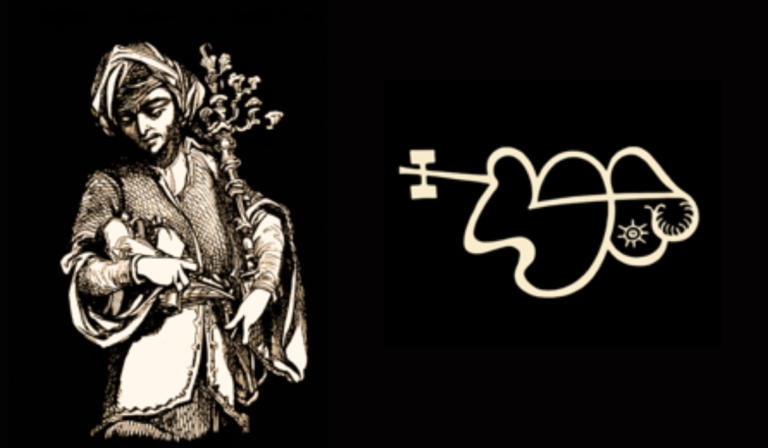
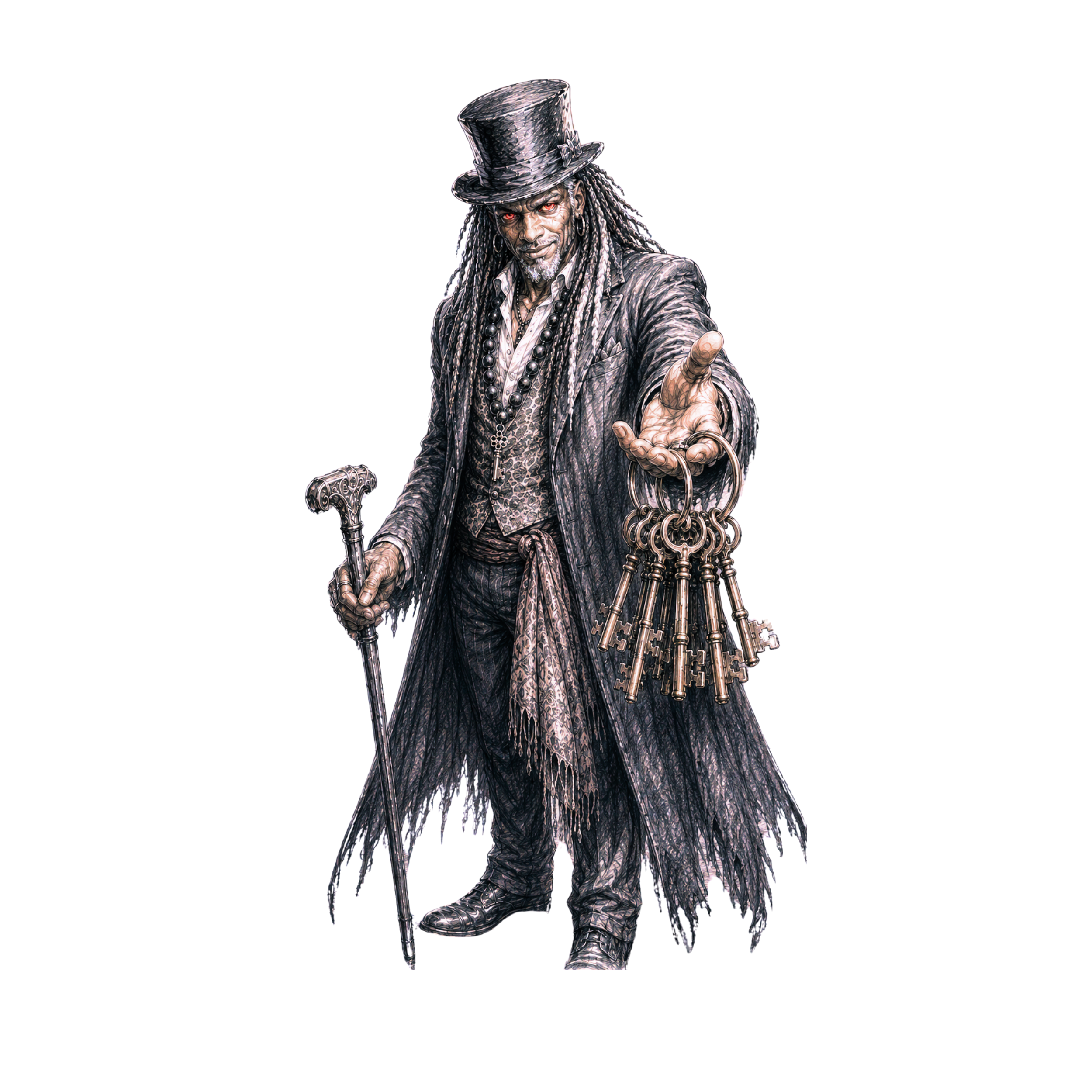
He appears as a frail old man — straw hat, pipe, wooden cane, sometimes a dog at his side. Don’t let the humble image fool you. This old man knows every road you’ve walked and every road still ahead of you. He sees your intentions clearly. That’s why sincerity matters more than any elaborate ritual.
The altar: what matters, what doesn’t
You don’t need an expensive, ornate shrine. Legba is a simple old man. He doesn’t need gold leaf or elaborate decoration. What he does notice is cleanliness, consistency, and honesty.
Traditional offerings
Black coffee
Freshly brewed, no sugar. Strong. Replace it regularly — don’t let it sit for days.
White rum
A clean white rum like Barbancourt. Set it alongside the coffee, not instead of it.
Hard candy
Simple, cheap sweets or lollipops. Legba has a sweet tooth — it reflects his gentle nature.
Tobacco
Pipe tobacco or a cigar. If you don’t smoke, simply place it nearby as an offering.
A dirty, neglected altar speaks louder than any words. Dust it, replace offerings, don’t leave coffee to sour for two weeks. Cleanliness is respect made visible.
The altar cloth and the vevé
In Vodou ceremony, the vevé — the sacred symbol of each Lwa — is traditionally drawn on the ground with cornmeal or flour at the start of ritual. For a permanent altar, placing a cloth bearing Papa Legba’s vevé creates a dedicated sacred space that signals your seriousness to the spirit.
The cloth you lay beneath your offerings matters. Synthetic fabrics feel cheap and impermanent. Natural fiber — cotton, linen — is the right choice for sacred work. It holds intention differently. It breathes.
✤
Papa Legba vevé altar cloth
Here you can find a high-quality altar cloth for your practice.Shop on Etsy
Optional additions: a small wooden cane or key as a symbol of his role as gatekeeper, an image of an old man with a walking stick (traditional, not the Hollywood version), corn porridge, or peanuts.
The most common mistake beginners make
Most people come to Legba with a request. “Open my path at work.” “Remove this obstacle.” “Help me with this situation.” They arrive like customers placing an order — not like someone meeting a respected elder for the first time.
Legba doesn’t trade. He observes. Coming with a demand before you’ve built any relationship is like calling a stranger and asking for a favor before you’ve introduced yourself. Build the relationship first.
Other common pitfalls
Copying rituals word for word from the internet without understanding them. Legba is the master of language — he hears the difference between words that carry meaning and words being performed. Three sincere sentences in your own voice will land better than a beautifully scripted prayer you don’t fully understand.
Showing up only in crisis. People come in a desperate moment, ask for help, and disappear when things stabilize. Spirits remember who comes regularly and who only appears when they need something. Consistency is what builds trust.
Treating the vevé cloth as decoration. The symbol on your altar is a point of connection. Lay it down with intention. Acknowledge what it represents.
How to build the relationship — step by step
This isn’t a fast process. Below is the real sequence that practitioners follow:
- Weeks 1–2: just show up and greet himCome to the altar daily. Light a candle. Pour fresh coffee. Say “Good morning, Papa Legba” — and go quiet. Don’t ask for anything yet. Just establish presence. Let him notice you’re consistent.
- Learn the tradition’s historyRead from reliable sources — Karen McCarthy Brown’s Mama Lola, Leslie Desmangles’ The Serpent and the Rainbow (the book, not the film). Legba respects those who approach with understanding, not just desire.
- Begin speaking to him directlyTraditional openings begin with “Abobo!” — a greeting. Then introduce yourself plainly: who you are, why you’ve come, what you’re offering. Not demands. An introduction. Talk to him the way you’d talk to a wise grandfather you’re meeting for the first time.
- Pay attention to signsLegba speaks through coincidence, dreams, and sudden openings. Keep a notebook. What happened in the days after you sat at the altar? Patterns emerge over weeks — not hours.
- After a month or two — your first real requestEven then, frame it as a request, not a demand. “If it’s your will, help me see clearly in this situation.” Ask for clarity and wisdom, not specific outcomes. The crossroads reveals which roads are worth taking — it doesn’t guarantee the destination.
What a “blocked path” actually means
One of the most common requests people bring to Legba: “my path is blocked, help me open it.” But that’s not quite how he works. Legba doesn’t simply remove obstacles on request. He illuminates — which paths are worth taking, and which aren’t.
Sometimes a closed door isn’t a punishment or a test. It’s information. You’re heading somewhere that isn’t right for you. Legba is a grandfather, not a chauffeur. He doesn’t take you where you want to go. He helps you figure out where you actually need to be.
The crossroads isn’t a place where you get handed the right road. It’s a place where you learn to see all the roads at once.
A note on cultural context
Vodou is a living religion born from the pain of the African diaspora. It survived slavery, colonization, and active suppression. It is not a “magical system” you can download and apply. It belongs to real communities and real people for whom this is sacred, not aesthetic.
That doesn’t mean you can’t work with Legba if you’re outside that tradition. But it does mean: approach with genuine respect, learn the history, don’t strip practices from their context for Instagram content. Legba sees through performance immediately.
If you’re serious about this path, find a practicing community or a Vodou priest (hougan) or priestess (mambo) and work under mentorship. Articles and books are a starting point, not a destination.
Papa Legba has no deadlines. He’s been at the crossroads longer than any of us can imagine. He remembers everyone who came with respect — and everyone who showed up only in desperation and left without a word of thanks. Start slow. Come often. Tell the truth.